"Irish Politician said a thing" Journalism
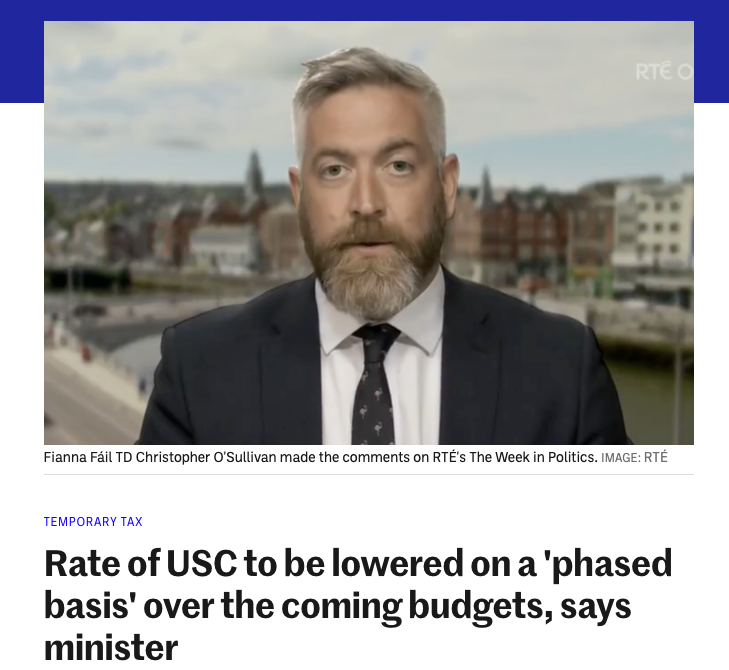
A large part of Irish journalism involves quoting one politician's rhetoric about another, asking for their opinion of it, and rushing to print the response.
This then leads to further articles generated from reactions to responses to something that was originally a response to something someone said. This is the Irish media cycle in a nutshell, and it's a large part of why we don't have a real media.
These articles rarely include context, corrections, or even challenges to the politician.
I call this type of journalism 'rhetoric-charged spinwheel'. It's fuelled by the media's drive for cheap clicks, and once you see it, you can't unsee it.
Of course, it's not just articles but also political talk shows. Here's a clip from The Tonight Show in which the host asks the opposition to react to something the Tánaiste said.
A few rules accompany this type of journalism:
- Never challenge the politician with a view of your own
- Never challenge the politician with facts, figures or research because this gets in the way of publishing work quickly. Clicks pay money, and an out-of-context quote is great at driving clicks.
- Never reach out to objective experts on the topic or to academics because they might not align with the editor's view, plus you need those clicks.
- Don't provide context for the reader or equip them with the means to do further research so they can make up their own minds.
If there is anything to be learned from reading Leo Varadkar's memoir or Eoin Murphy's candid insight into being a failed Minister for Housing, it's that modern Irish politicians care a lot about their perception among the media. Both books highlight the surprising amount of time the previous governments under Varadkar spent on their public image, with Varadkar commissioning a special Strategic Communications Unit to help manage public image. With the amount of money spent on advisors who were previously journalists, it's clear that this trend did not leave office with Varadkar. Simon Harris's output on social media is extraordinary, with multiple posts daily.
In a way, this practice of lazy journalism forces our elected officials towards developing rhetorical competency, but not management competency. If a politician were regularly asked about their brief, their impact, and how they can improve, we would live in a different country.
Imagine how this country could be run if the journalists examined published policies, current legislation going through the Dáil, or simply followed the money through purchase orders and lobbying records.
The argument against this type of journalism is that it's not commercially viable, but quick scrutiny disrupts this type of thinking.
The Ditch has grown a huge following by simply going through property registers. Nick Delehanty, an independent candidate for Dublin Bay South, grew a huge following on X.com by following the money trail and exposing the massive waste spent on IPAS, while the likes of small substack authors have seen huge explosions in popularity by simply digging into the numbers to paint a realistic picture of Ireland's performance among its peers.
Irish news outlets regularly call for more public support, and the government has duly provided it. That support comes from the same taxpayers whose housing crisis, health service, and public finances go largely unscrutinised. It's a reasonable question whether subsidising the spinwheel is money well spent.